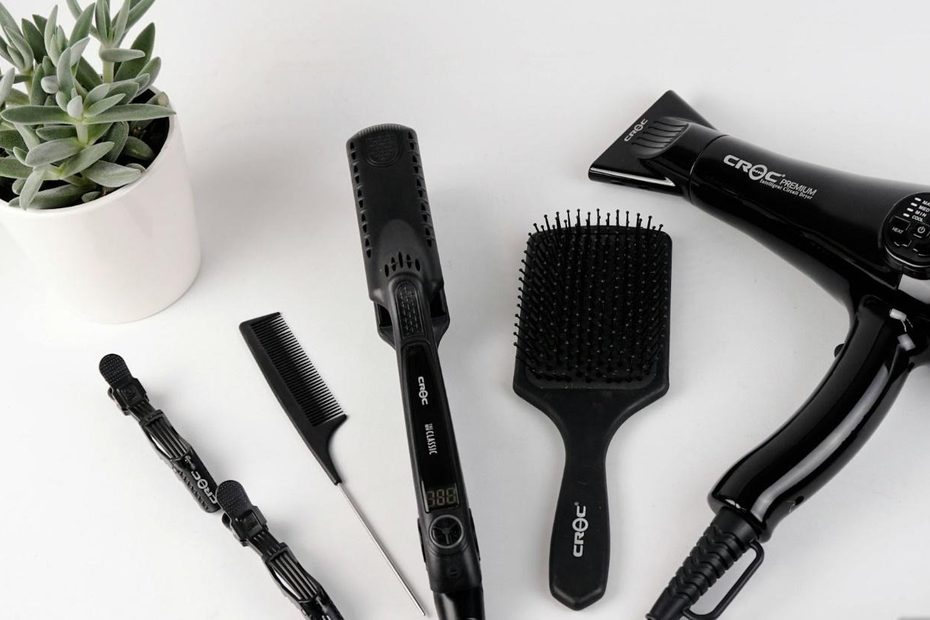
Brittle, dry, frizzy, breakage-prone hair rarely comes from one dramatic event—it’s usually the slow result of repeated tension, rough handling, chemical processing, and too much heat piling up over time. A hair dryer is a staple in plenty of styling routines, and there’s nothing wrong with using one; the key is doing so thoughtfully, as part of a wider approach to hair care rather than in isolation. Prevention tends to pay off far more than trying to repair strands after the fact, since once the hair shaft is structurally damaged, there’s no fully undoing it. None of this means you need to give up styling altogether. It simply means trimming away unnecessary stress and tailoring your technique to whatever your hair actually needs.
Understand What Causes Hair Damage
Mechanical Stress
Rubbing hair roughly with a towel, brushing too aggressively, yanking through tangles, pulling it into tight styles—all of these raise the odds of breakage. Wet hair is particularly fragile in this regard, since it stretches more than dry hair and can snap under tension that it would otherwise withstand. It’s worth drawing a clear line between two things that often get confused: breakage, which happens along the hair shaft itself, and shedding, which is hair letting go naturally at the follicle. Shedding is simply part of hair’s normal cycle; breakage signals actual physical damage to the strand.
Heat and Chemical Exposure
Heat applied repeatedly and at high temperatures gradually wears down the hair shaft, leaving it dry, brittle, and prone to split ends. Layer bleaching, relaxing, perming, or frequent coloring on top of that, and hair becomes even more susceptible to further stress. What matters isn’t simply whether you use a heated tool—it’s the combination of temperature, how long the heat is applied, how often, the hair’s starting condition, and the technique behind it all.
Visible hair is made mostly of keratin, shielded by an outer layer known as the cuticle. Once that protective layer gets damaged, hair tends to lose its smoothness, its strength, and its ability to hold onto moisture.
Build a Lower-Damage Washing and Drying Routine
Before and During Washing
Focus shampoo on the scalp, where oil and product buildup actually accumulate, rather than scrubbing it down the entire length of your hair. Conditioner, by contrast, does its best work on the mid-lengths and ends—particularly if your hair runs dry or textured. How often you wash should be dictated by your scalp and hair’s actual needs, not some generic schedule you read once. If your hair is chemically treated, very dry, curly, or coily, it typically responds better to gentler handling and a bit more conditioning.
After Washing
Squeeze out excess water gently rather than twisting or wringing it out. A soft towel or absorbent cloth wrapped around your hair works better than vigorous rubbing, and letting it air-dry partway whenever your schedule allows is a smart move. How you detangle should depend on your hair type: curly or tightly coiled hair generally detangles more easily while it’s still wet and conditioned, whereas other hair types often do better once some of that excess moisture has been removed.
Picture two different routines side by side: one where hair gets rubbed hard with a towel and immediately blasted with high heat, versus one built around gentle blotting, partial air-drying, and careful sectioning before any styling begins. Stick with the second approach for a while, and you’ll likely notice less frizz and breakage over time.
Use Heat Styling More Safely
Reduce Total Heat Exposure
Cut back on heat styling where you can, and give hair a head start by letting it air-dry partially first. How long you apply heat matters just as much as how hot it gets, so resist the urge to keep passing the tool over the same section again and again.
Choose Appropriate Settings and Technique
Reach for the lowest heat setting that actually gets the job done, rather than defaulting to the highest out of habit. Keep the tool moving, work through hair in manageable sections, and don’t let heat linger in one spot. Steer clear of using flat irons or curling irons on visibly wet hair, unless the tool is specifically built for that purpose—and always follow the manufacturer’s safety instructions.
Consider Heat-Protective Products Carefully
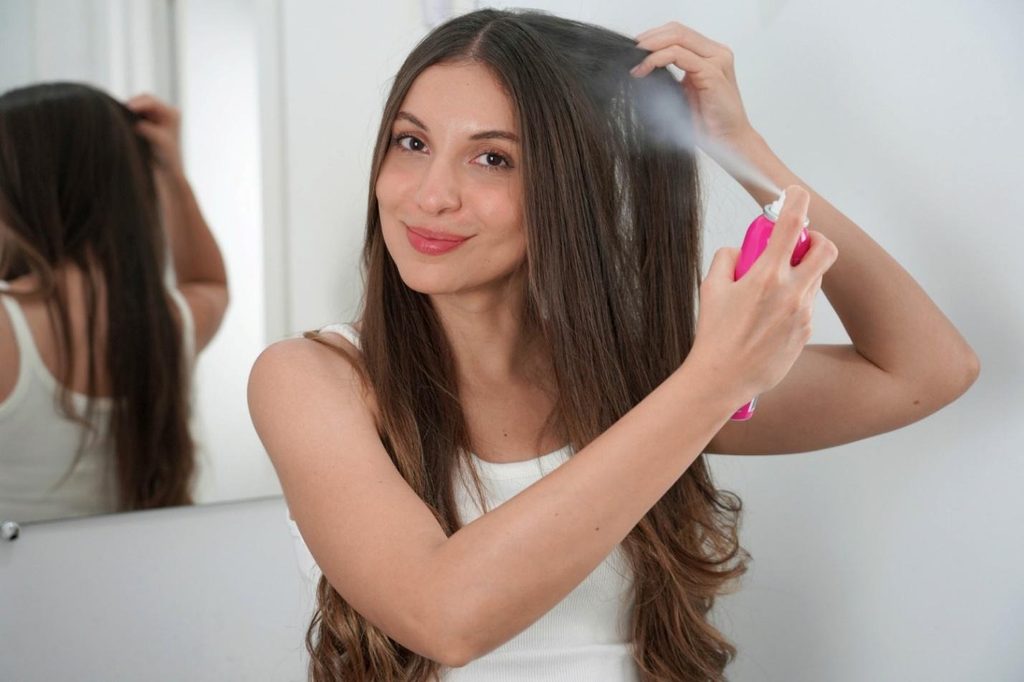
Image by sergio_pulp on Magnific
Heat-protective products can help cut down on surface damage, but they’re not a license for unlimited heat exposure—they don’t make heat harmless. Pay attention to whether a product is meant for damp or dry hair, and don’t assume any product can undo damage that’s already been done.
Key Takeaway: Cutting back on how often you use heat, choosing the lowest setting that works, and keeping the tool moving are some of the most effective changes you can make.
Adapt Techniques to Hair Type and Condition
Fine or fragile hair holds up better with lower heat, shorter exposure times, and lighter brushing. If you notice more tangling or snapping than usual, that’s your cue to ease off.
Curly and coily hair tends to fare best with minimal dry brushing, careful sectioned detangling with plenty of slip, and less direct heat overall to keep the curl pattern intact.
Thick, coarse, color-treated, or chemically processed hair benefits from sectioning—so you’re not passing the tool over the same spot repeatedly—and giving it enough time to dry rather than cranking up the heat to compensate. Keep an eye out for changes in elasticity or texture after any chemical service, and don’t hesitate to get professional input if the damage looks serious.
Recognize Early Signs of Damage
Split ends, hair that snaps more easily than it used to, a rough or straw-like texture, tangles that won’t quit, surface frizz, curls losing their definition, uneven lengths from breakage—these are the usual red flags. A trim gets rid of split ends, but it doesn’t repair the damaged strand above the cut; conditioners can make hair easier to manage without actually restoring its structural integrity.