Legal contracts have always been the backbone of business transactions and personal agreements, but the process of creating them has traditionally been slow, expensive, and vulnerable to human error. Now, artificial intelligence (AI) is stepping in to change the game. Enter AI contract generators—digital tools powered by machine learning that are streamlining the way contracts are drafted, customized, and executed.
In this deep dive, we break down how these AI-powered tools work, what makes them so transformative, and why they represent the future of legal documentation.
What Are AI Contract Generators?
An AI contract generator is a software tool that uses artificial intelligence to draft legal documents automatically. These platforms analyze inputs from the user and generate a tailored legal agreement based on pre-trained models and databases of legal language. Think of it as a turbo-charged template system—but smarter and far more accurate.
Users input key details—like party names, agreement terms, payment clauses, and deadlines—into the system. The AI then uses natural language processing (NLP) and data analysis to create a legally compliant document that’s ready for review and signature. All of this happens in minutes, not hours.
A Look Back: Traditional Contract Drafting vs. AI Tools
The Old Way: Manual Drafting and High Costs
Until recently, drafting a legal contract meant either hiring a lawyer or spending hours adapting generic templates. For routine documents like NDAs, partnership agreements, or lease contracts, this meant high costs and time delays for even the most basic paperwork. In small business settings, many entrepreneurs either reused old documents or skipped contracts altogether—simply to avoid the hassle.
Enter AI: A New Era of Legal Tech
AI contract generators remove much of the friction. These tools can:
- Analyze previous legal documents
- Use pre-programmed logic to insert the correct legal language
- Adapt clauses to suit different jurisdictions and requirements
What used to take multiple billable hours from an attorney can now be completed in a matter of minutes—without sacrificing legal soundness.
How AI Contract Generators Work
Here’s a simplified look at the mechanics behind these tools:
Step 1: User Input
You begin by entering the basics—who’s involved, what the contract covers, payment terms, timelines, etc. This may be done through a questionnaire or form-based UI.
Step 2: Clause Selection and Customization
The AI then uses a rules-based engine and machine learning models to select and tailor clauses to fit your input. This ensures legal alignment while also personalizing the agreement.
Step 3: Compliance Check
More advanced systems will review local laws and regulatory requirements. If you’re operating in California vs. New York—or in the EU—your contract will reflect the necessary legal language.
Step 4: Output and Signing
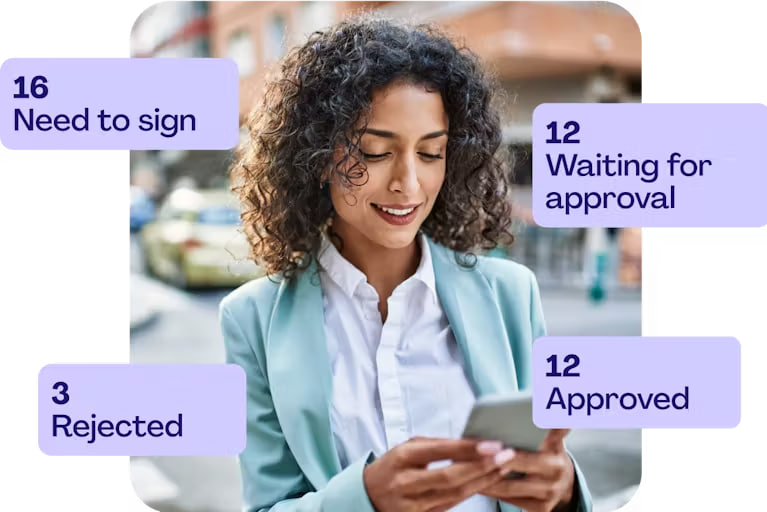
Once generated, the contract can be exported, reviewed, and digitally signed. Many platforms include eSignature features for an end-to-end experience.
The AI Tech Behind It All
Natural Language Processing (NLP)
NLP allows these systems to “understand” legal language and how it’s used. This enables them to construct grammatically and legally correct sentences without sounding robotic.
Machine Learning
ML helps improve contract quality over time. The more data the system processes, the better it becomes at predicting which clauses are necessary for particular situations.
Data Analysis
These tools process massive datasets of existing contracts to understand how professionals structure agreements. This means the tool isn’t just smart—it’s experienced.
Benefits of AI-Powered Legal Contracts
1. Speed and Efficiency
What used to take days now takes minutes. This means faster deal flow and quicker onboarding for employees, vendors, and partners.
2. Cost Reduction
Hiring a lawyer to draft even a simple contract can cost hundreds or thousands of dollars. AI tools cut this expense dramatically, particularly for startups and small businesses.
3. Accuracy and Compliance
AI reduces human error—missed clauses, incorrect dates, legal miswordings. With built-in compliance checks, businesses lower their legal risk.
4. Scalability
If your business needs 50 vendor agreements or 100 NDAs, AI can create these quickly with consistency across all documents.
5. Accessibility
You don’t need a legal degree to generate a solid contract. These platforms make professional-quality contracts available to anyone with an internet connection.
Expanding the Role of AI in Modern Legal Workflows
Beyond contract drafting, AI is starting to reshape other parts of the legal ecosystem. Document review, compliance checks, case law research, and even litigation prediction are being optimized by artificial intelligence. Firms can now automate repetitive administrative tasks and focus their attention on strategy and client relations.
For instance, AI tools can cross-check thousands of contracts to identify inconsistencies, track renewal dates, or flag potential risks—something that once required entire legal departments. These capabilities are revolutionizing not only how contracts are written but also how they’re managed throughout their lifecycle.
Some enterprises are integrating AI contract generators directly into customer relationship management (CRM) systems. This allows sales teams to generate legally compliant agreements instantly after a deal is reached, accelerating the entire business process. As automation and data integration grow, AI’s role in contract creation will become a cornerstone of digital transformation across industries.
AI Contract Generators and Legal Accessibility
One of the most overlooked benefits of AI in the legal field is accessibility. For years, small businesses, freelancers, and individuals often avoided professional legal help because of the high costs. AI contract generators are closing this gap by providing affordable access to reliable legal documents. This democratization of legal services is reshaping the industry and giving more people the confidence to operate securely in business.
Moreover, these tools promote legal literacy. By walking users through every section of a contract and explaining what each clause means, AI helps non-lawyers better understand the agreements they’re signing. In this way, AI not only saves money but also empowers users with knowledge—a crucial step toward fairer business practices globally.
Most Common Use Cases for AI Contracts
- Freelance Contracts: Customize scope, payment, and IP clauses in minutes.
- Partnership Agreements: Clearly define roles, responsibilities, and revenue splits.
- Lease Agreements: Tailor terms for residential or commercial rentals.
- Employment Offers: Ensure legal compliance with local labor laws.
- Non-Disclosure Agreements: Protect your IP without lawyer delays.
- Service-Level Agreements (SLAs): Guarantee standards for quality and response time.
- Consulting Contracts: Simplify collaboration between businesses and external experts.
Risks and Limitations to Watch Out For
While AI generators are powerful, they’re not perfect.